Announcements
Get free breathing and awareness practices, insights, and tips on my Facebook Public Figure Page
Can You Revalue Your Values?
 Can you revalue your values? Begin by realizing that nearly everything you hear or read or see is filtered through your assumptions, expectations, beliefs, memories, and stories. Be honest with yourself as you attempt to listen impartially to the next person with whom you communicate. What do you observe?
What Are You Afraid Of?
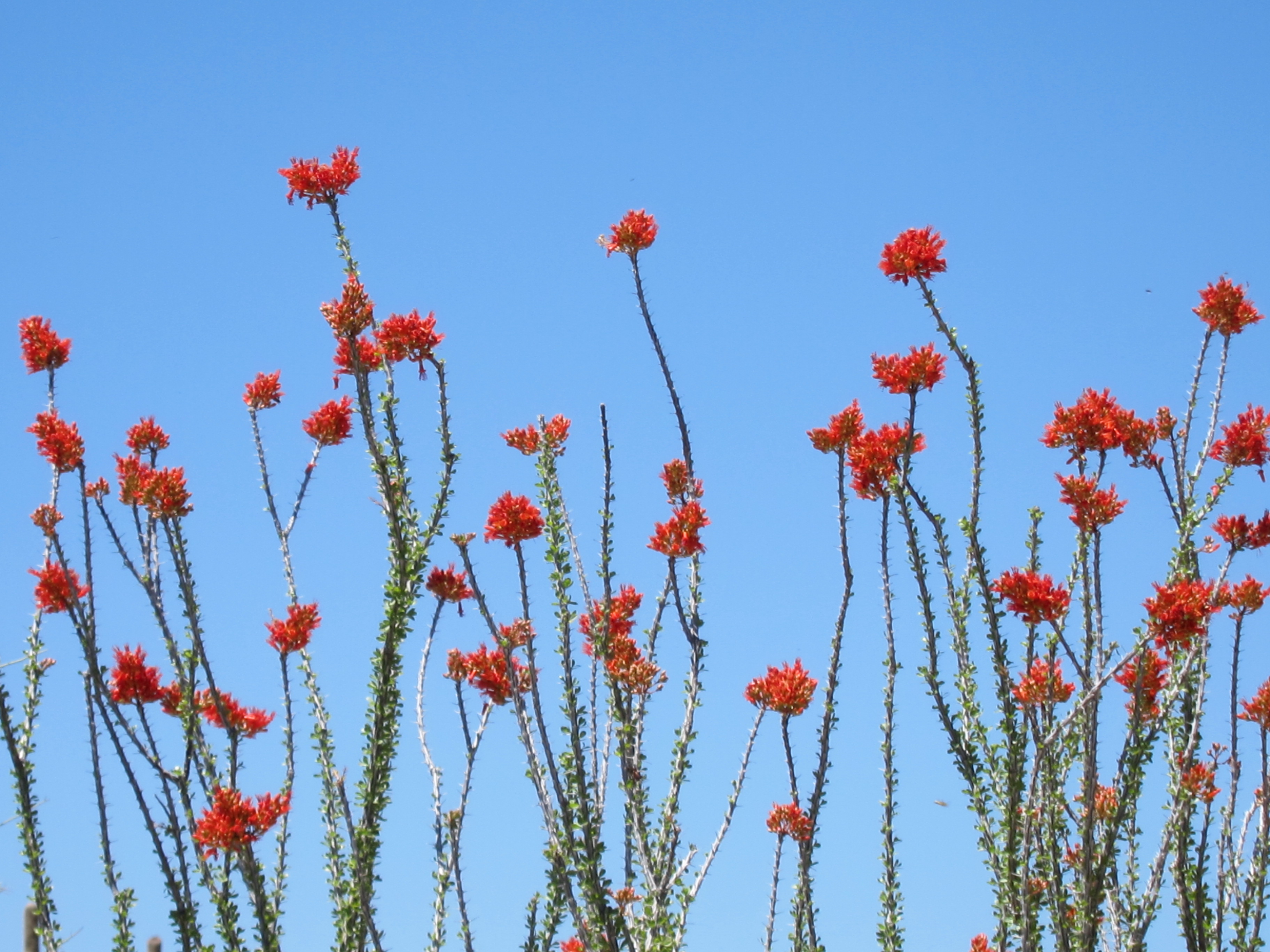 What are you afraid of? Whatever it is, sense your feet on the earth; look up at the sky; feel the inherent loving gentleness of your heart (it may take some time with all the fear-mongering and anger and name-calling that fills our culture); sense your in-breath, your out-breath, and the pause that follows; and let yourself open to that which is without judgement and hatred and impatience. Return home!
Life Is Our Teacher
 If we learn anything at all, it is Life itself, in all of its ever-changing inner and outer manifestations, that is our teacher. Are you open to Life, to its messiness and uncertainty, to the joy and suffering it brings, or do you attempt to package and constrain it in relation to your own psychological and spiritual concepts, assumptions, and desires? Are you willing to allow Life, the unknown, to work on you?
When Our Words Are True to the Soul
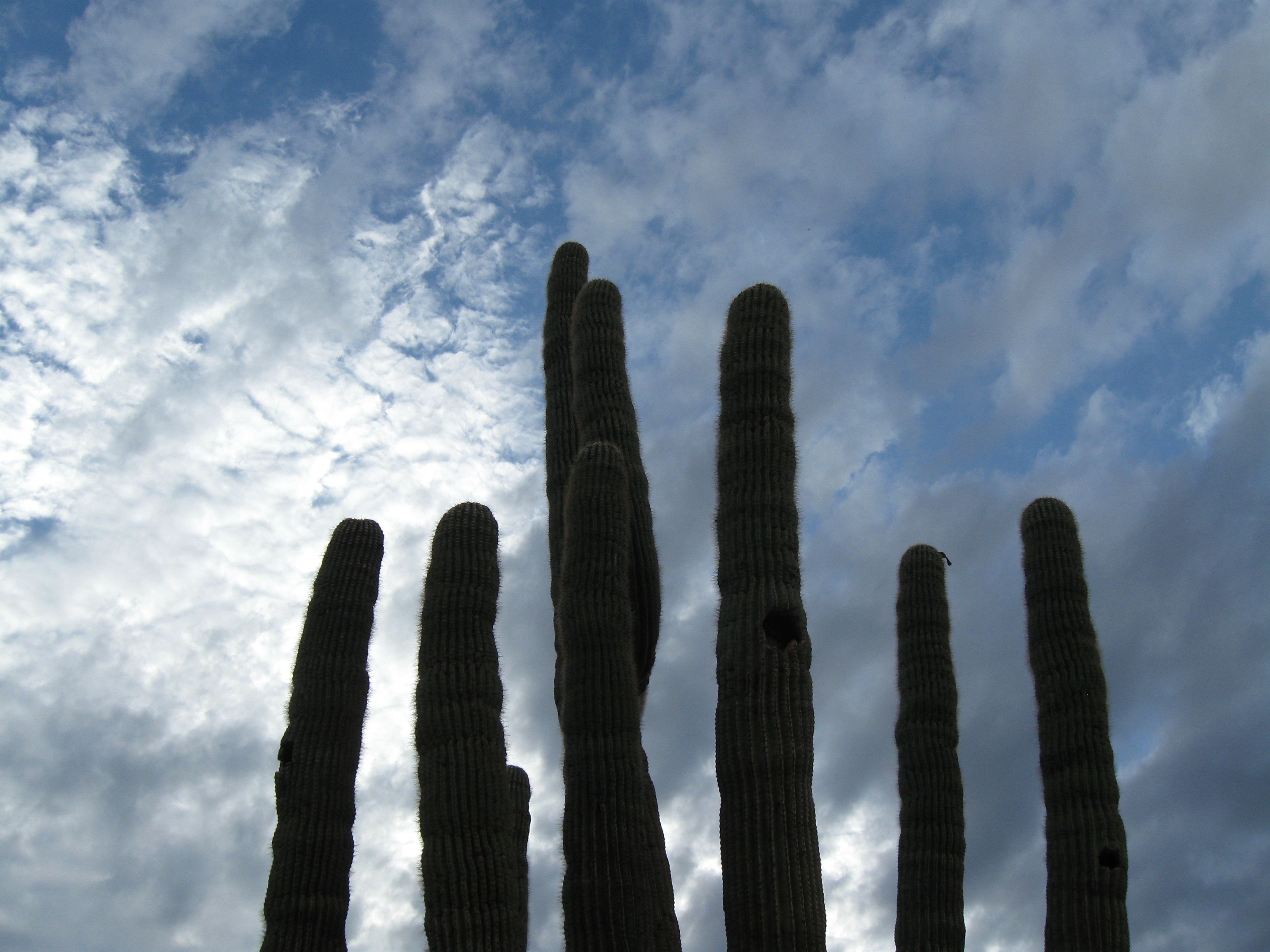 Our words, when they are true to the soul, are but means through which the infinite speaks, as are the power and beauty of nature, whether peaceful or tumultuous, manifesting in and around us.
Don’t Try to Inhale
 Don’t try to inhale; trying will only create tension. Put your attention on your exhalation, on letting go, and let yourself be breathed by something greater.
A Doorway Into Being
 A doorway into being: residing in the stillness at the end of the out-breath as the in-breath arises on its own.
There is Nowhere to Go to Awaken
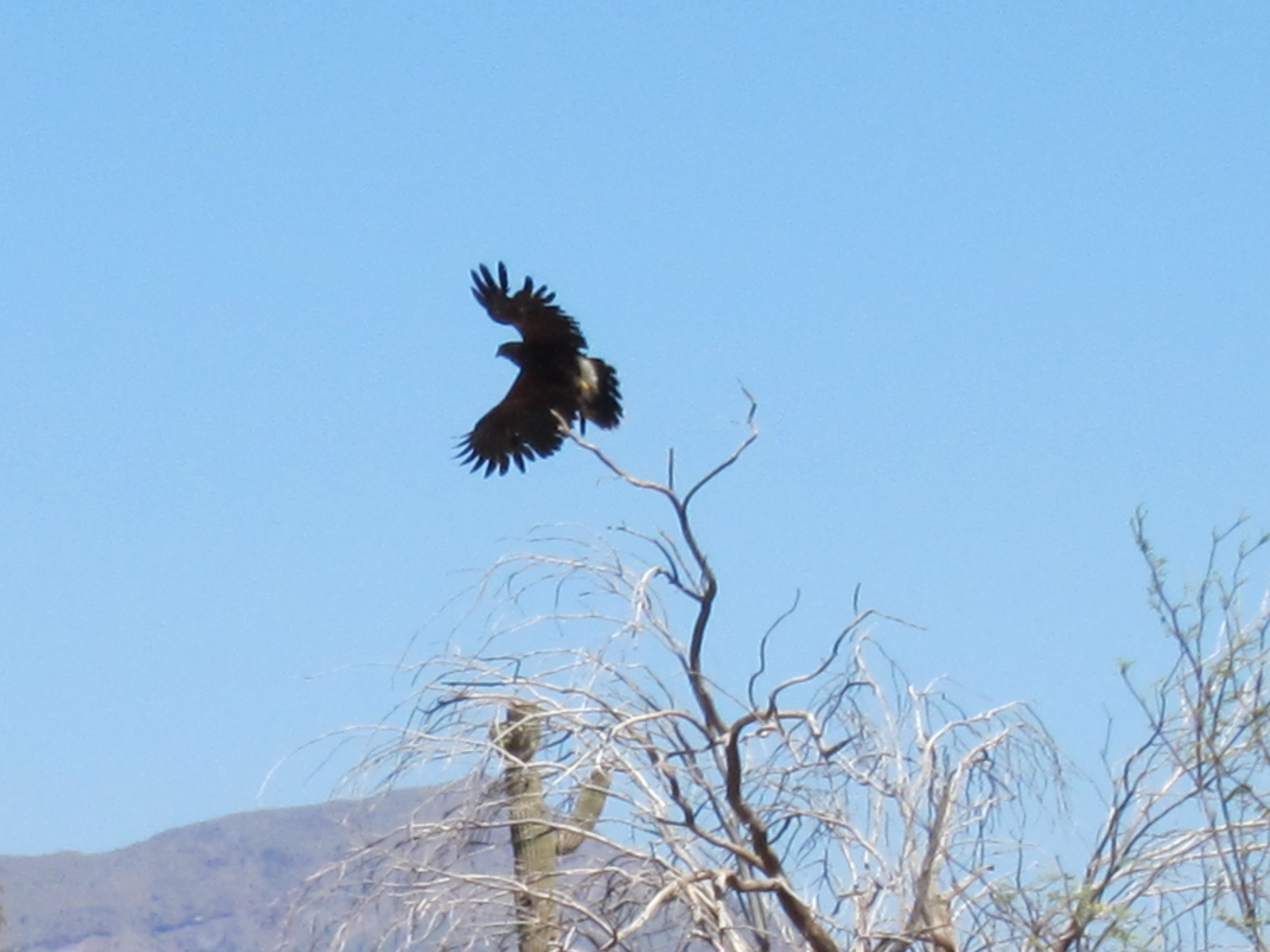 There is nowhere to go to awaken–just here and now. Sense your breathing, the life force. Let it open you to your fundamental openness and spaciousness.
Choiceless Attention
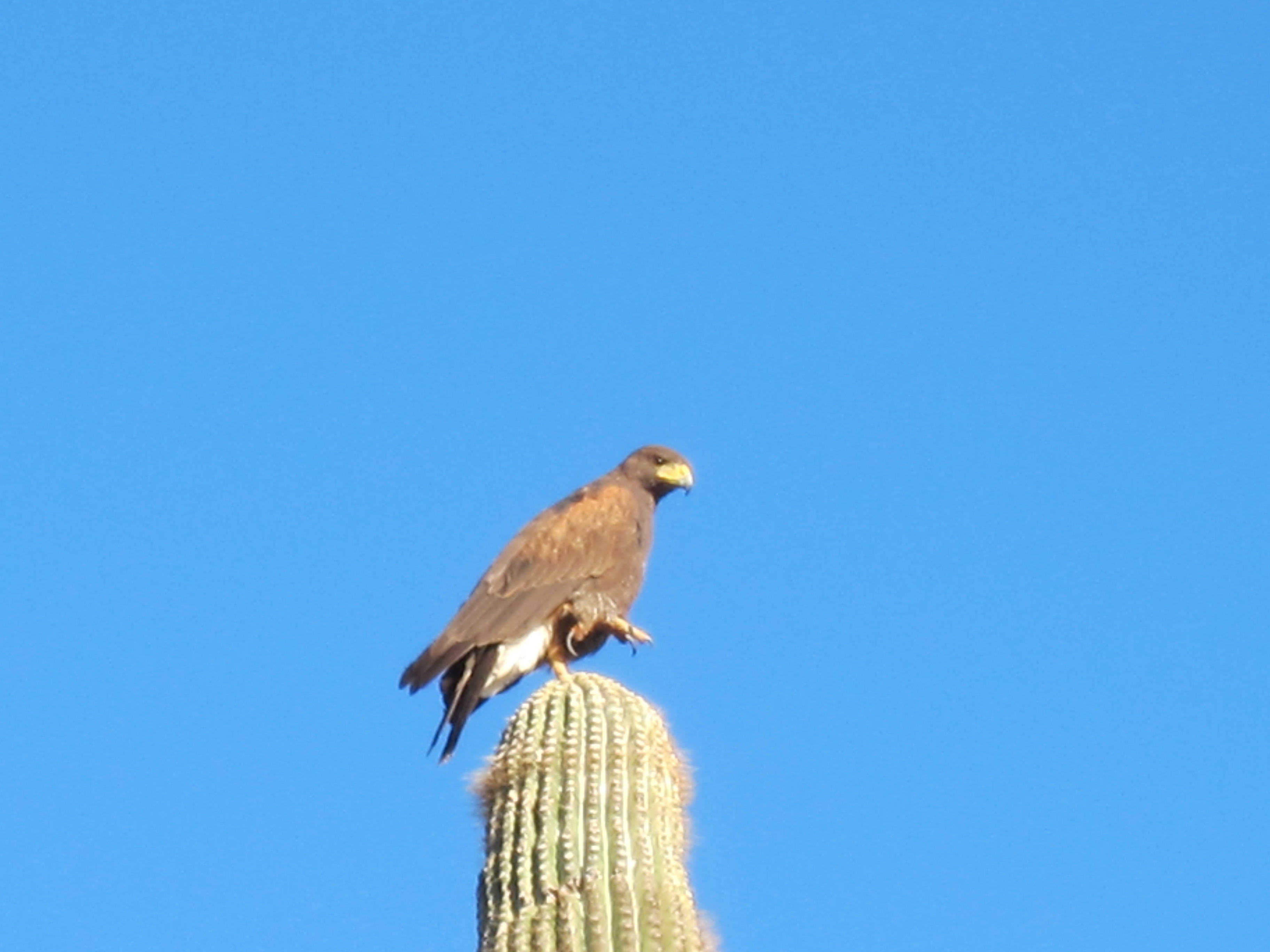
Golden Eagle watching me
The Beauty & Spaciousness of the Sky

The Beauty & Spaciousness of the Sky
Copyright 2011 by Dennis Lewis
The World in the Body
 For the Taoist, the statement “as above, so below” is one of the fundamental truths of life. The body (including the brain) is a microcosm of the universe, and operates under the same laws. Not only is the body “in the world,” but the world is “in the body”—especially the conscious body. For those who can be sensitive, who can learn how to sense themselves impartially, the rich landscape of the outer world—the rivers, lakes, oceans, tides, fields, mountains, deserts, caves, forests, and so on—has direct counterparts in the inner world of the body. The energetic and material qualities of the outer world—represented in Taoism by “the five elements”: fire, earth, metal, water, and wood—manifest in the body as the network of primary organs: the heart, spleen, lungs, kidneys, and liver. And the atmospheric movements of matter and energy that we call “weather”—wind, rain, storm, warmth, cold, dampness, dryness, and so on—have their obvious counterparts in the inner atmosphere of our emotions. Likewise, the cosmic metabolism of the outer world—the conservation, transformation, and use of the energies of the earth, atmosphere, sun, moon, and stars—has its counterpart in the metabolism of our inner world, in the movement and transformation of food, air, and energy. To begin to sense the interrelationships and rhythms of the various functions of one’s own body—of one’s skin, muscles, bones, organs, tissues, nerves, fluids, hormones, emotions, and thoughts—is to experience the energies and laws of life itself. As Lao Tzu says: “Without leaving his house, he knows the whole world. Without looking out of his window, he sees the ways of heaven.”
Whether or not we agree with this vision of our organism as a microcosm of the universe, the work of self-sensing will quickly show us that the rhythms of breathing—of inhalation and exhalation—lie at the heart of our physical, emotional, and spiritual lives. We will see that it is through the sensory experience of these rhythms that we can awaken our inner sensitivity and awareness and begin to open ourselves to our inner healing powers—the creative power of nature itself. But for this to occur, our breathing must change from “normal” to “natural”; it must become free from the unconscious motivations and constraints of our self-image.
Copyright 1997, 2006 by Dennis Lewis. This passage is from my book The Tao of Natural Breathing.


 Harmonious Awakening